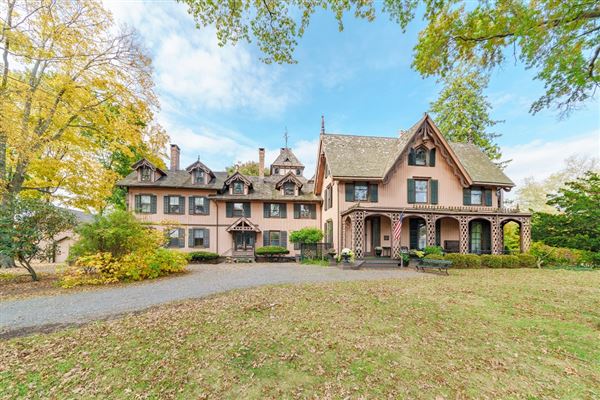
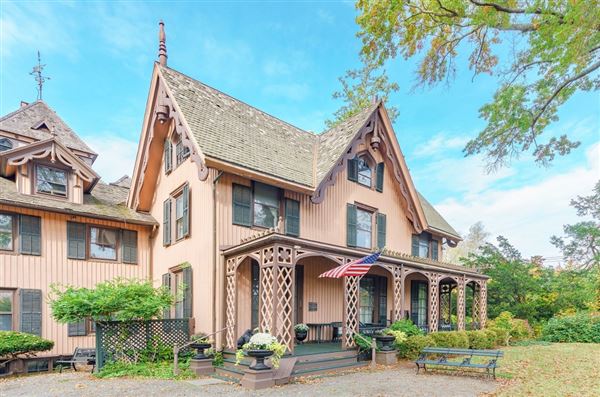
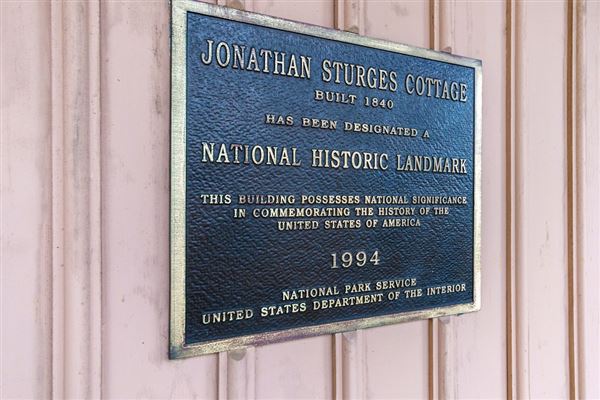
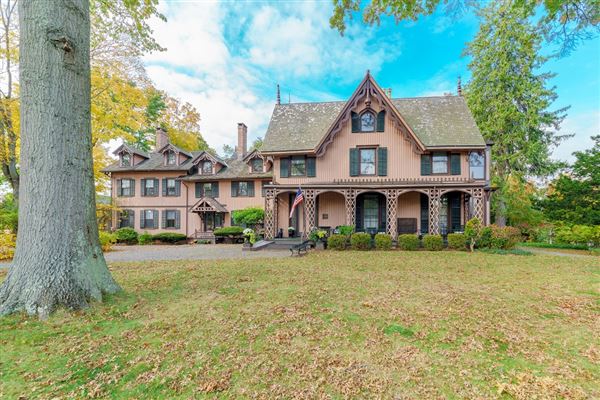
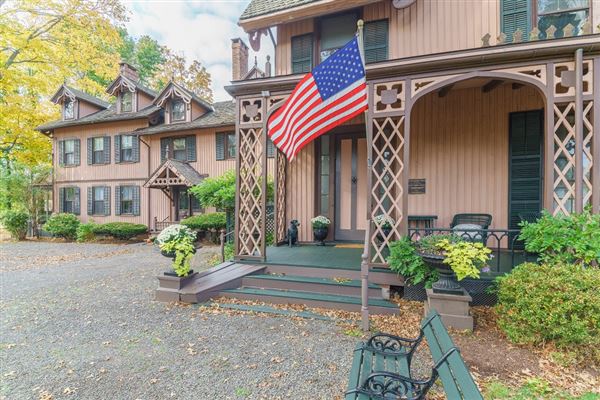
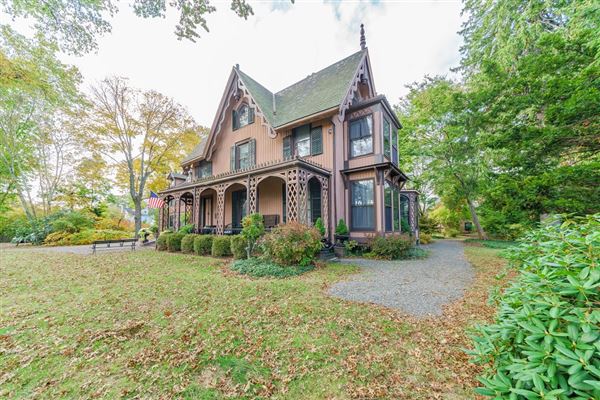
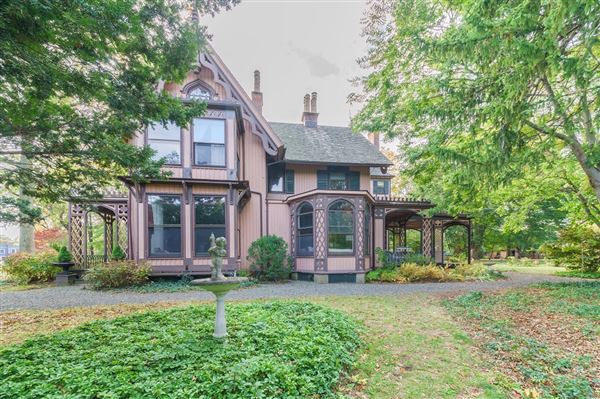
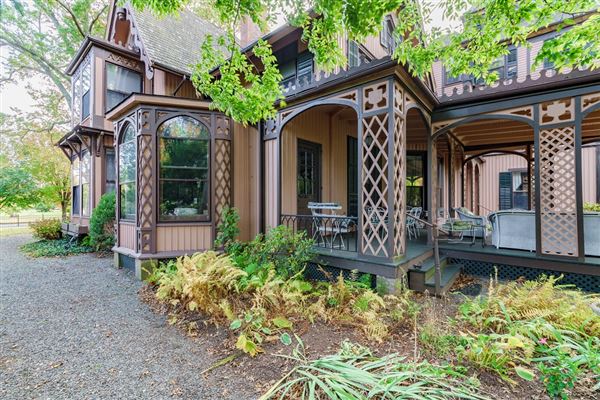
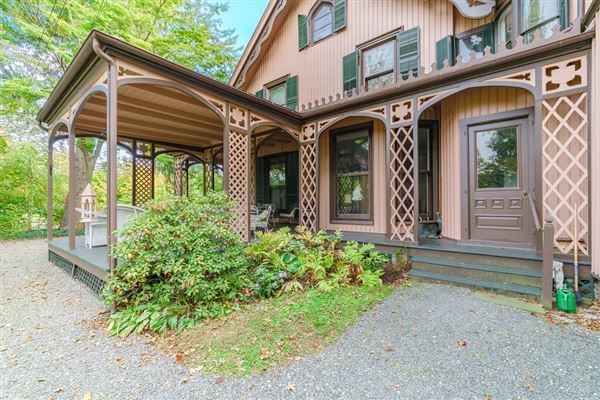
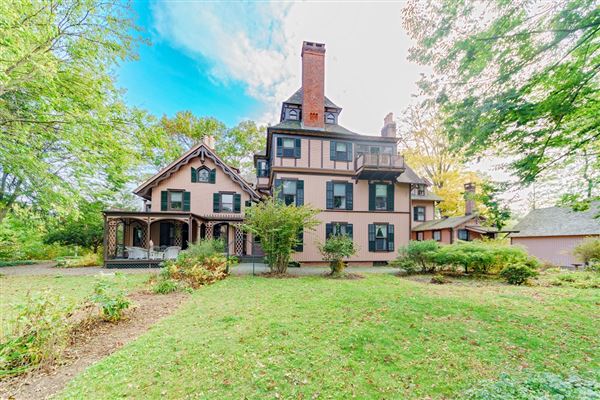
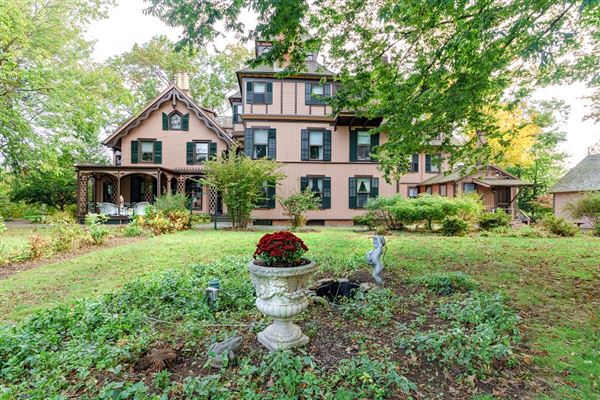
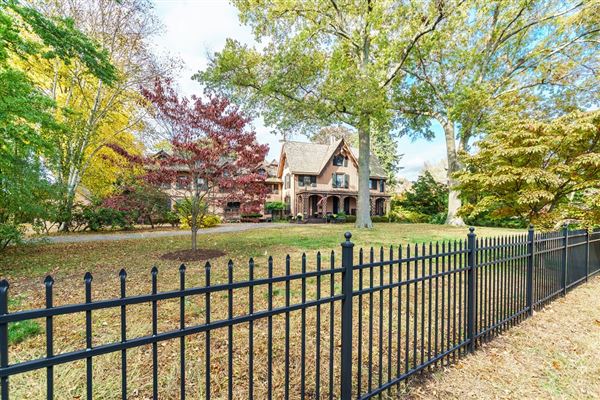
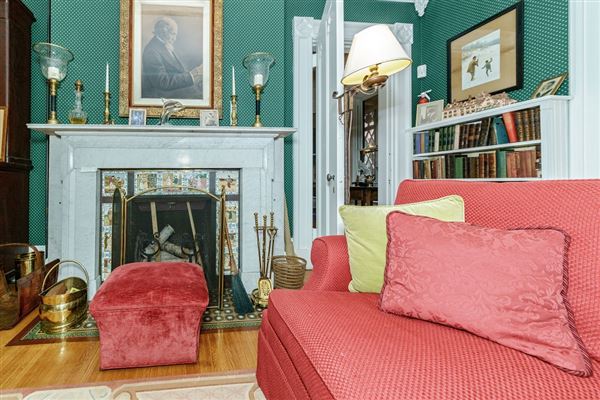
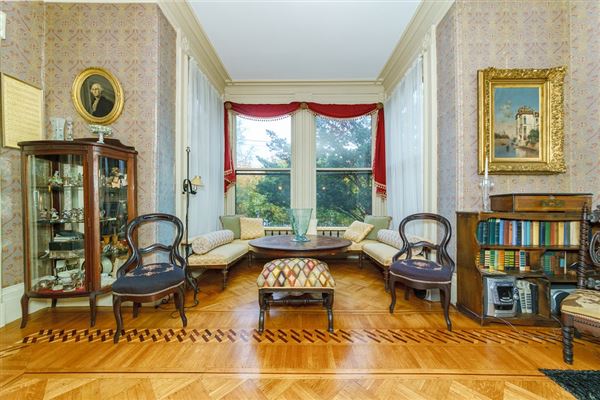
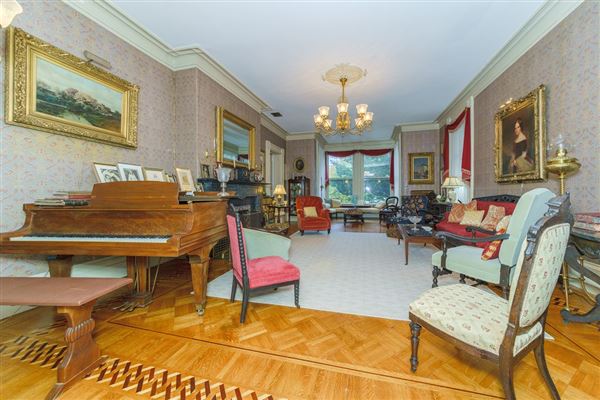
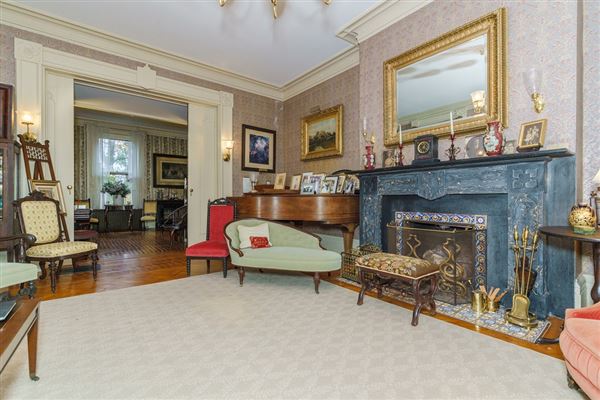
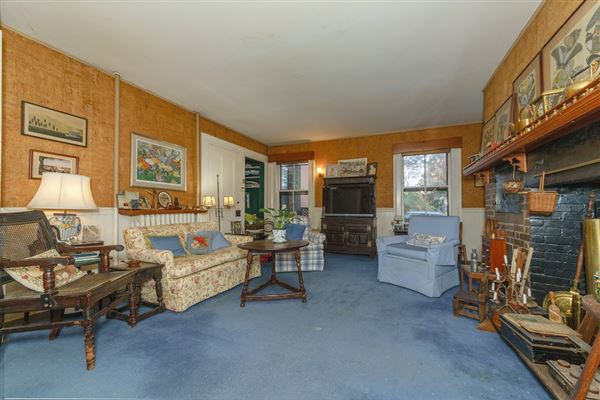
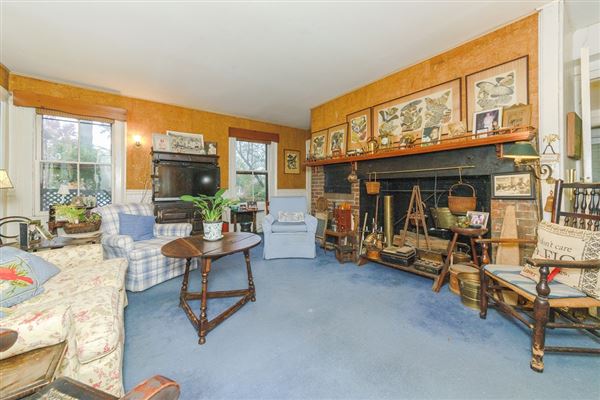
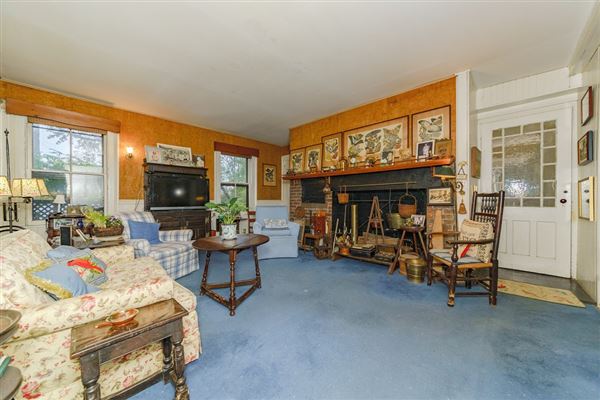
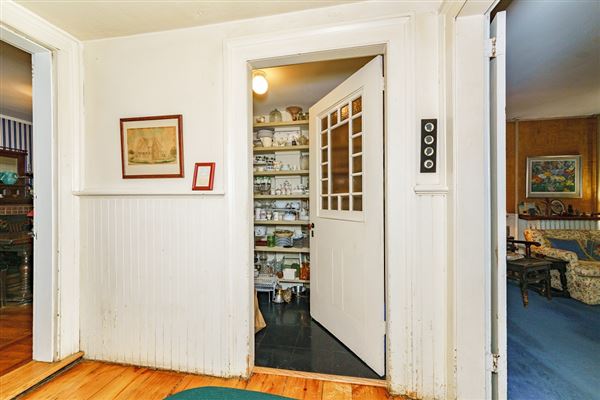
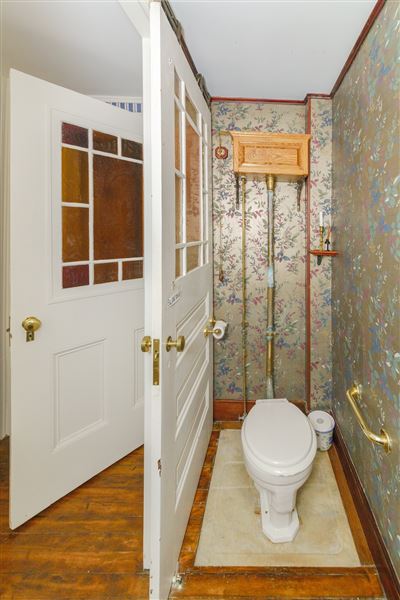
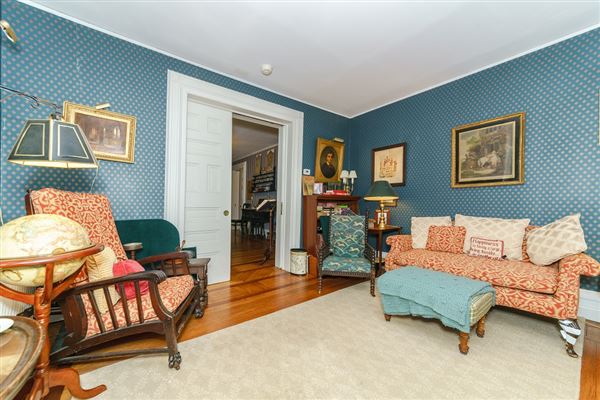
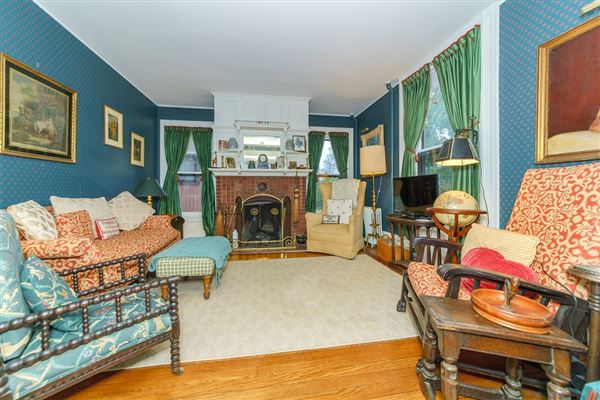
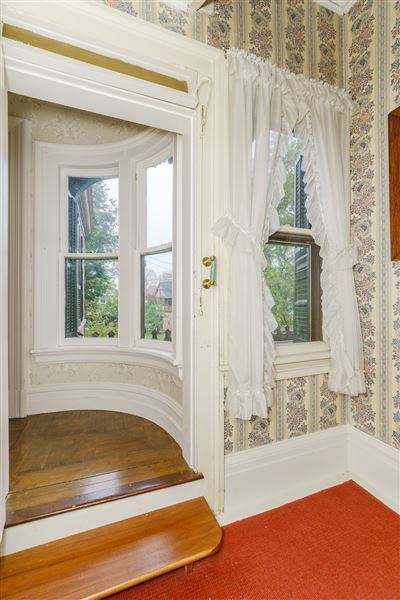
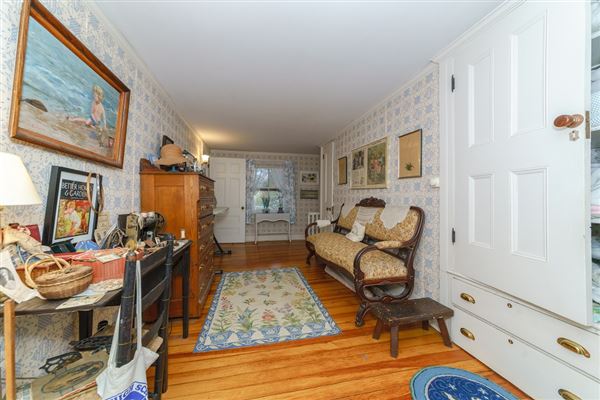
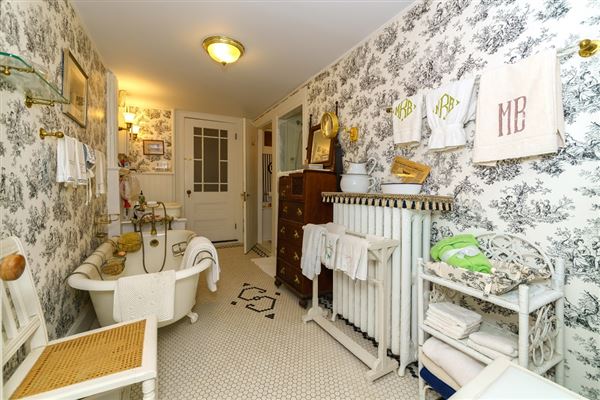
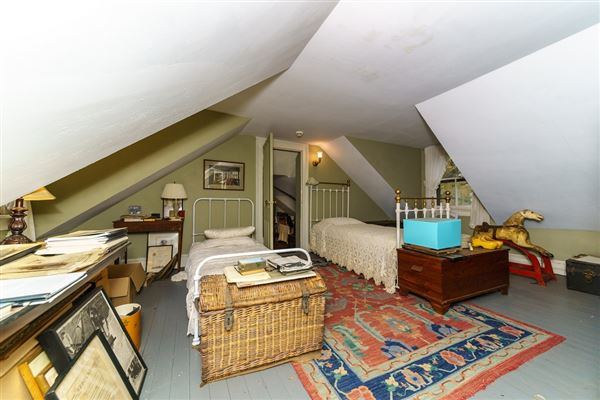
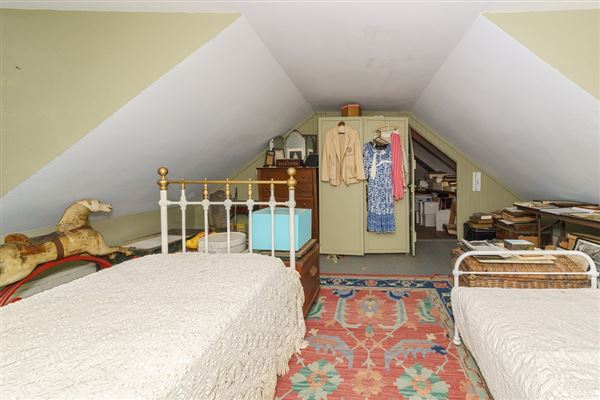
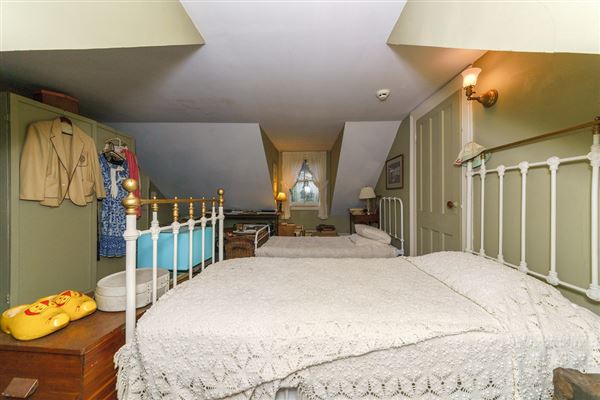
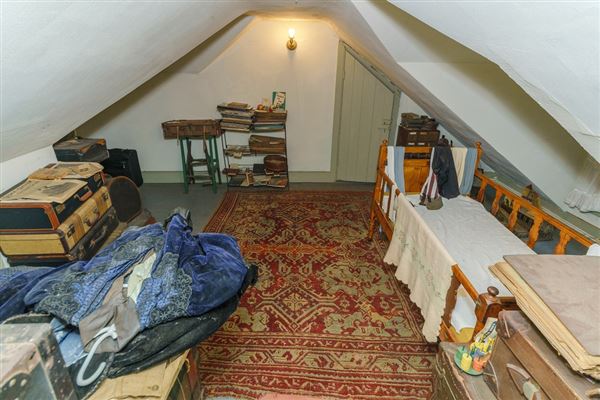
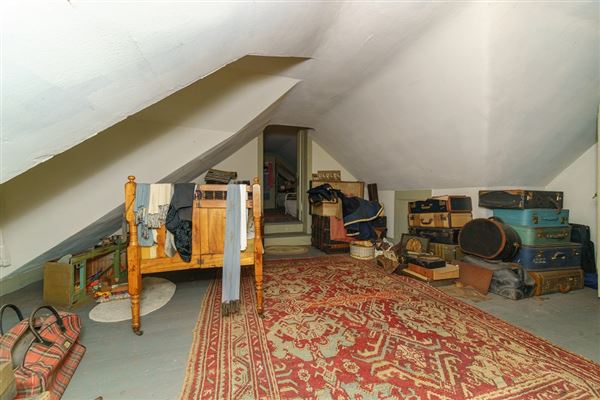
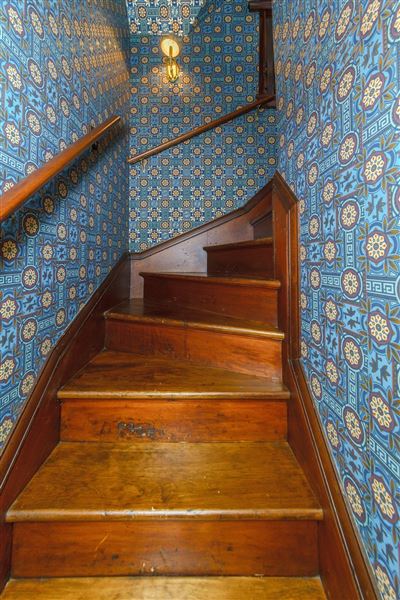
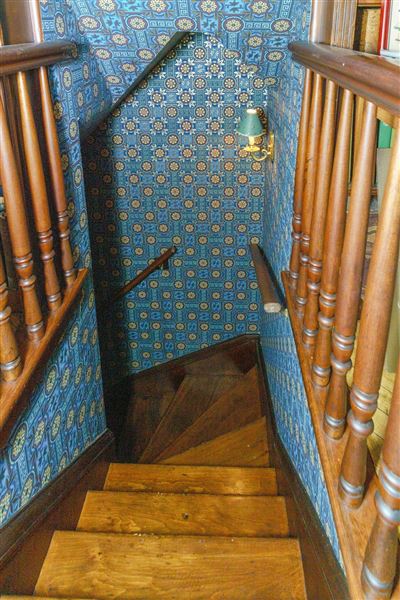
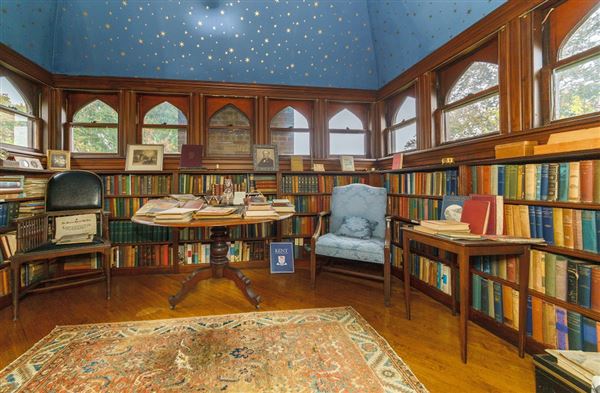
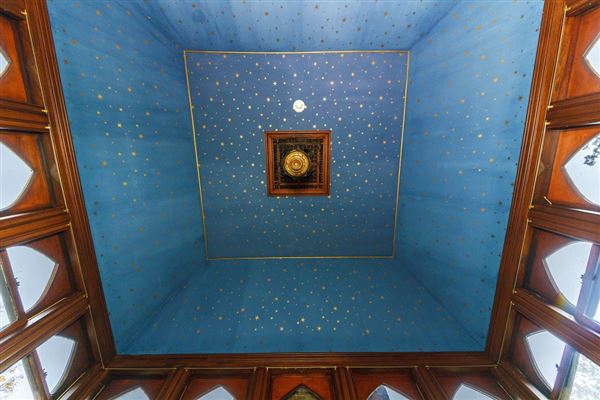
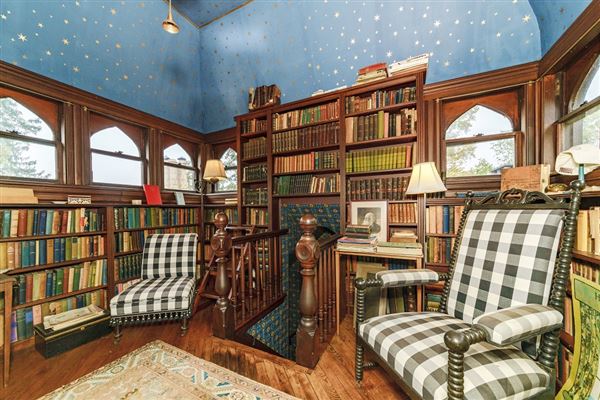
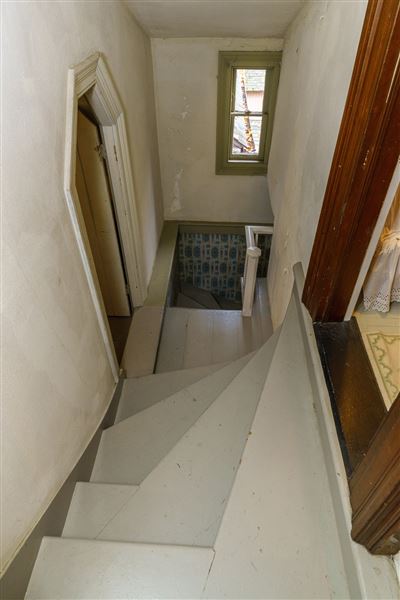
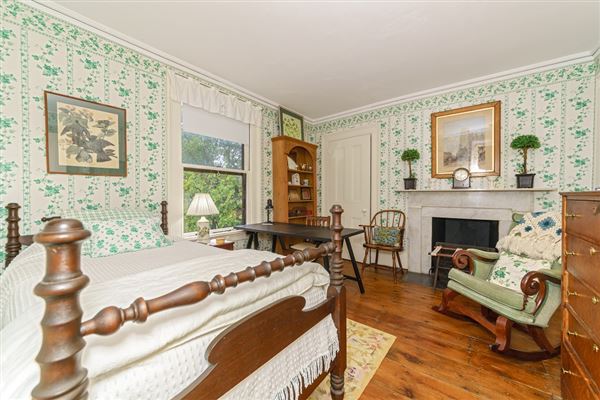
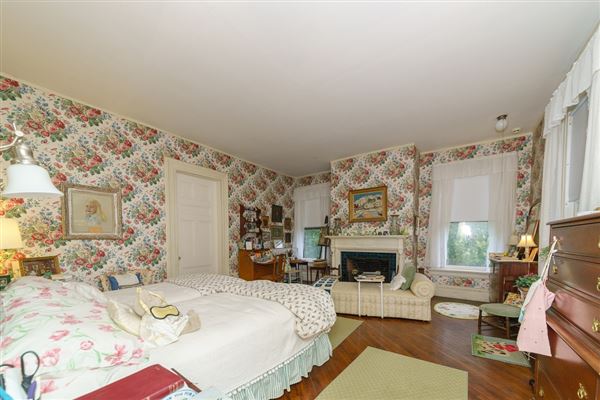
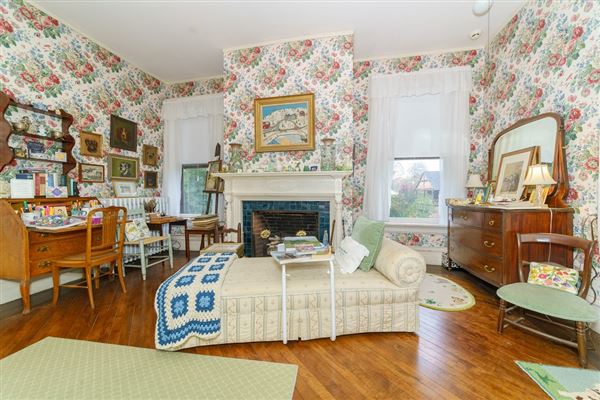
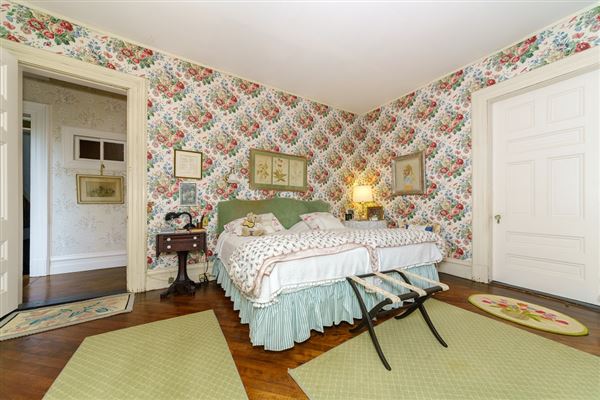
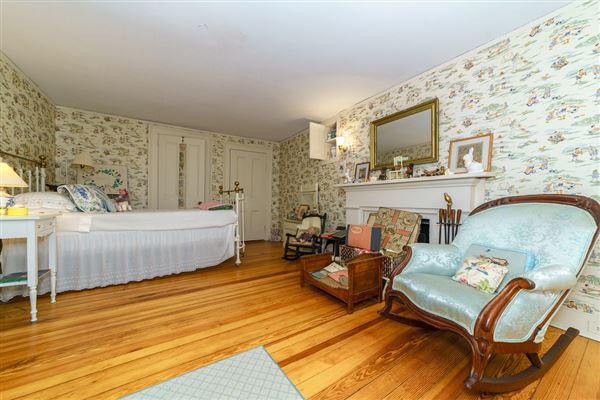
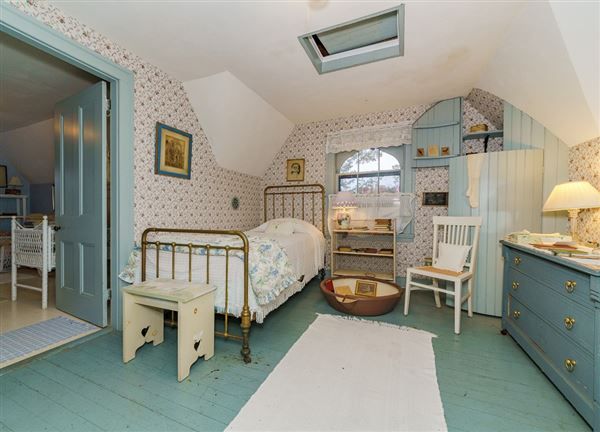
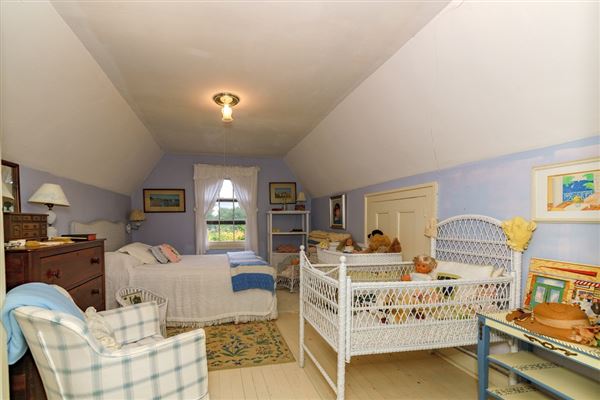
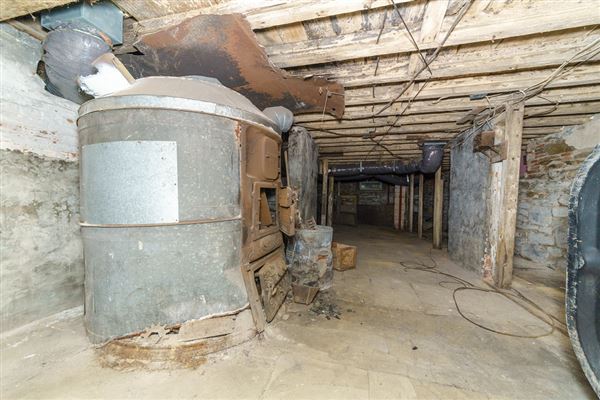
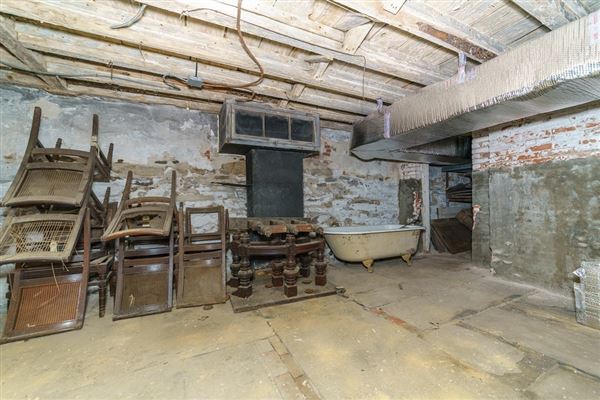
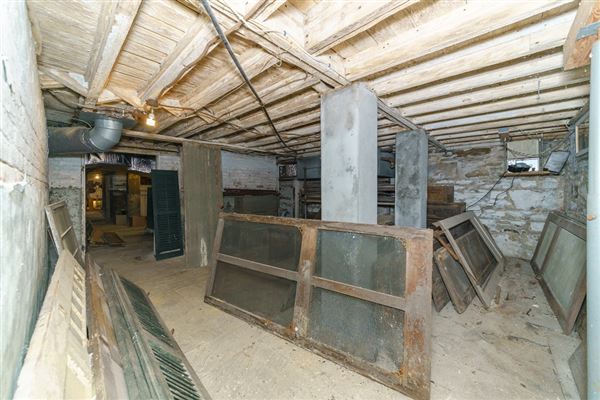
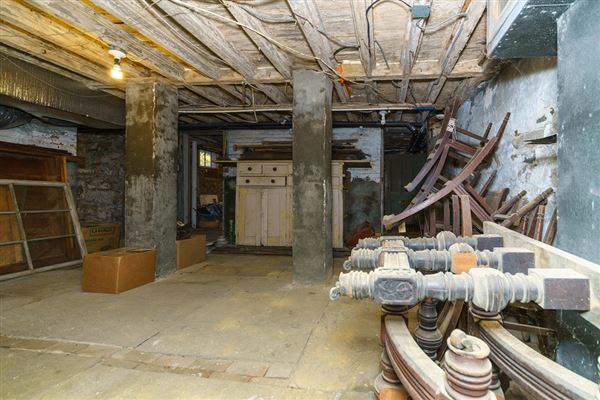
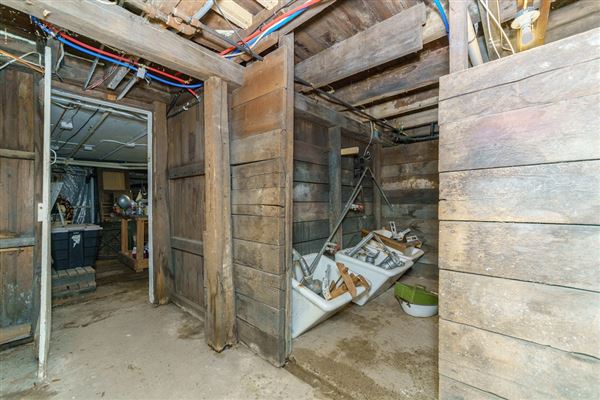
Built in 1840 by Jonathan Sturges, “The Cottage” is one of the first wooden American Gothic Revival houses built in the United States. Designed by a prominent English architect, Joseph C. Wells, as a summer residence for Mr. Sturges away from his home in NYC, the Cottage has grown to some 35 rooms, 11 staircases, 13 fireplaces, 4 kitchens and 6 stories, including the ice house below the cellar and the book tower at its pinnacle. A bathtub and W.C. (water closet) in the main bathroom were installed before the White House had central plumbing.
In a state-wide online competition, the public voted the National Historic Landmark Jonathan Sturges Cottage the 2016 ‘Connecticut Treasure’ in the Connecticut chapter of the American Institute of Architects’ (AIA)s’ annual People’s Choice award program. Fittingly, architect Wells was a founder of the American Institute of Architects (AIA) along with Richard Morris Hunt.
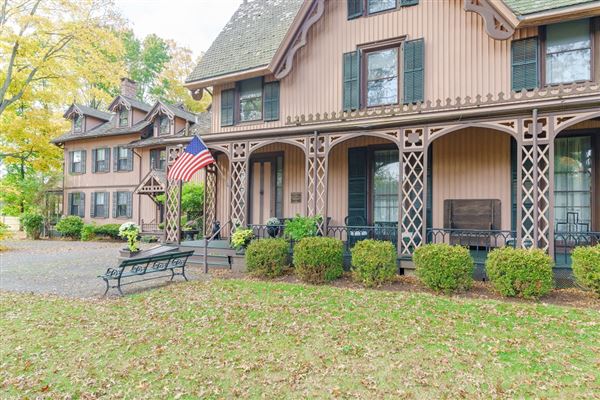
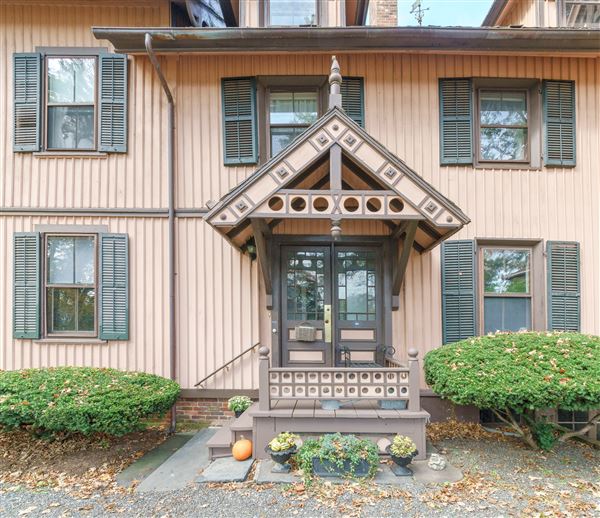
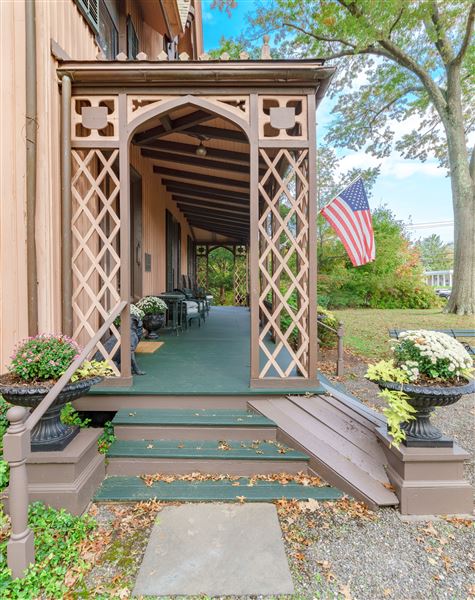
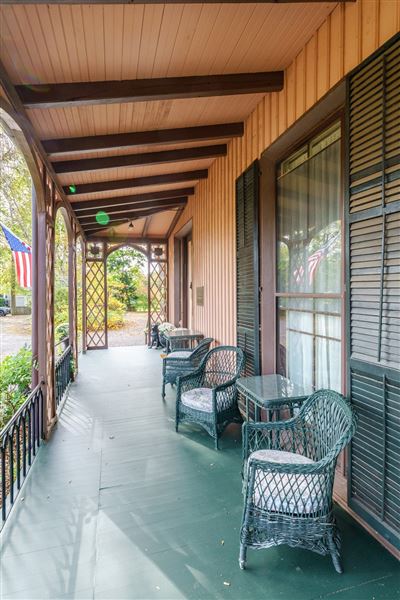
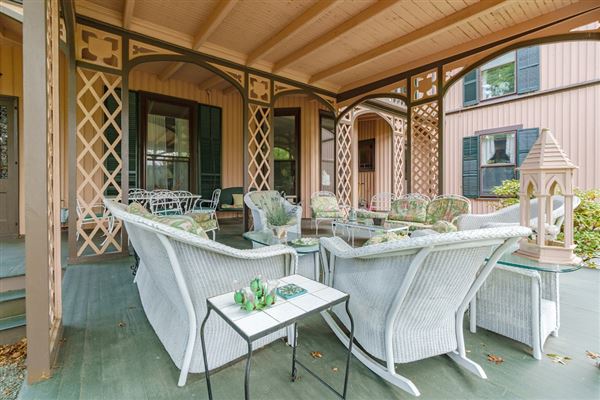
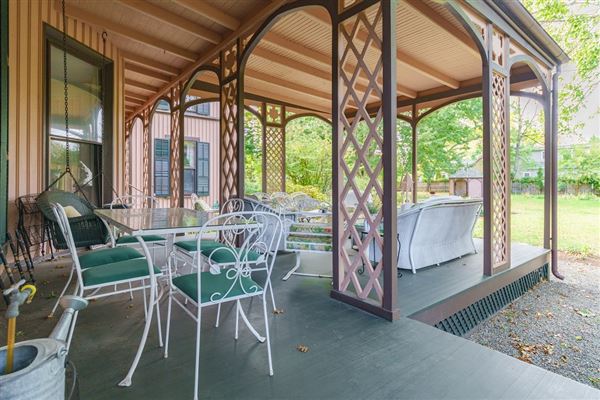
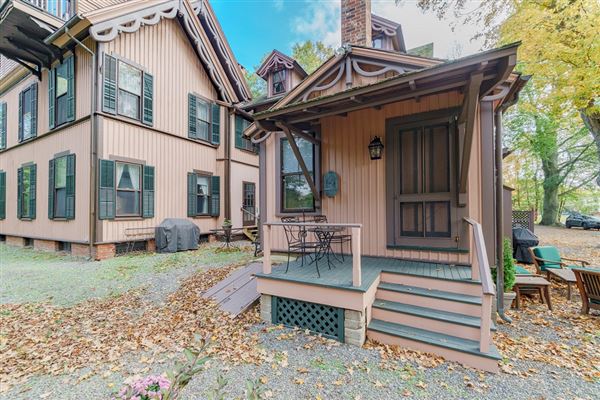
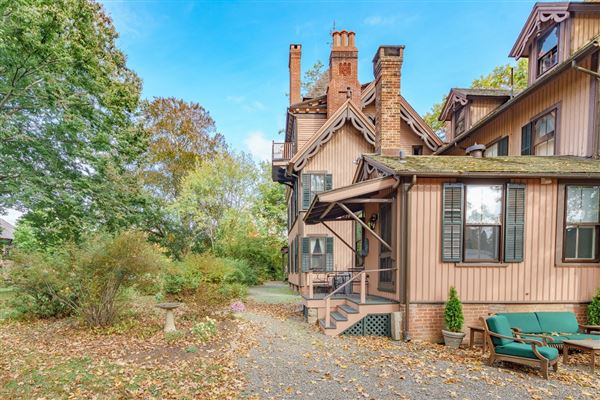
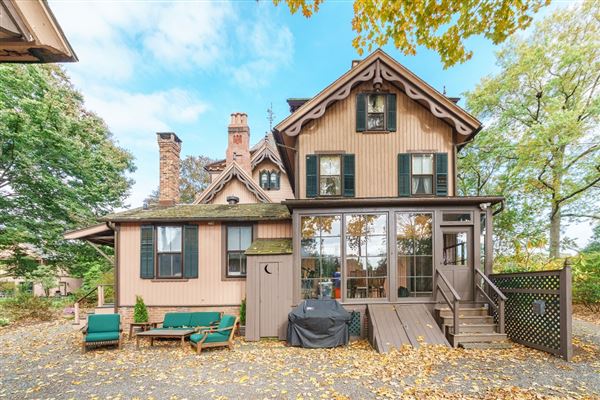
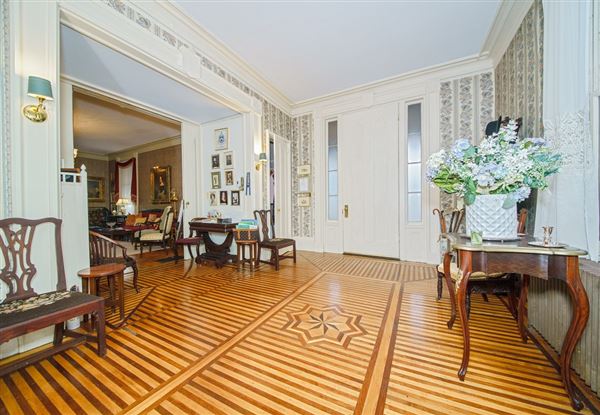
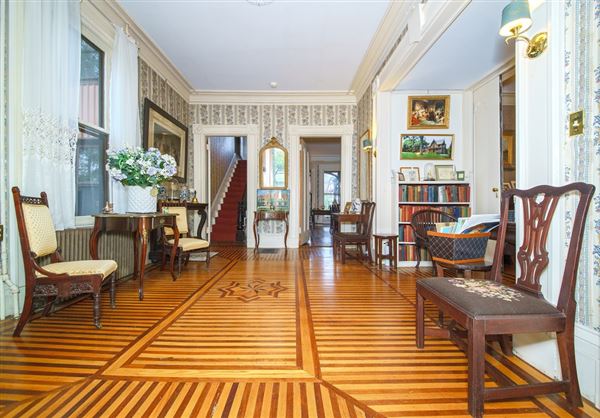
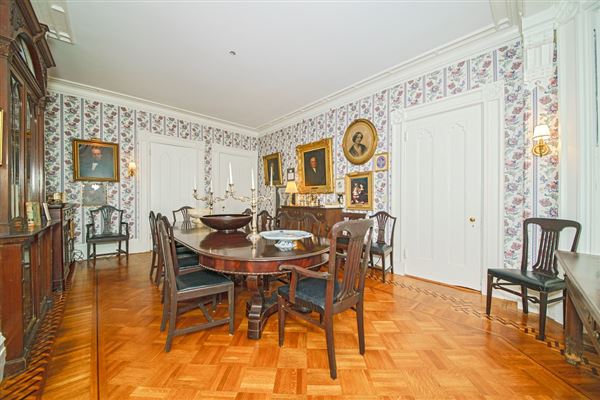
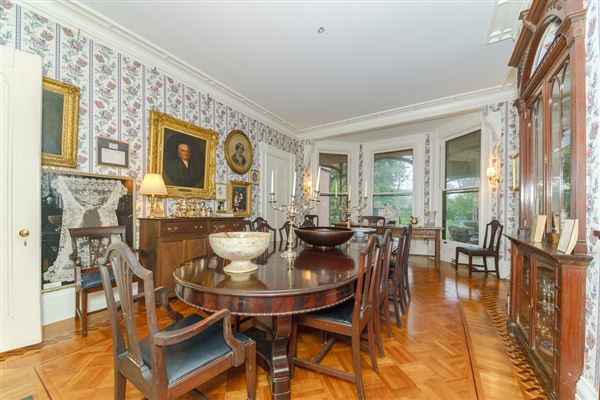
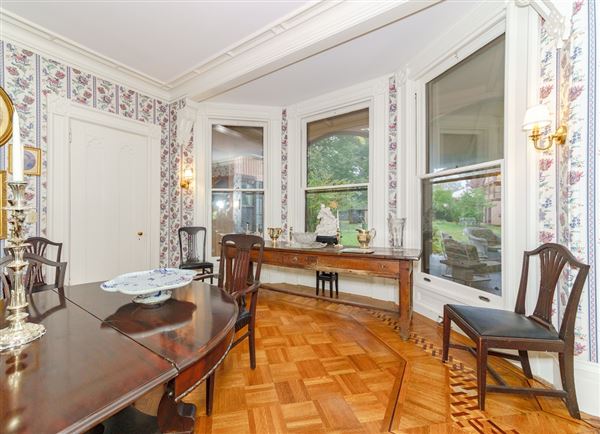
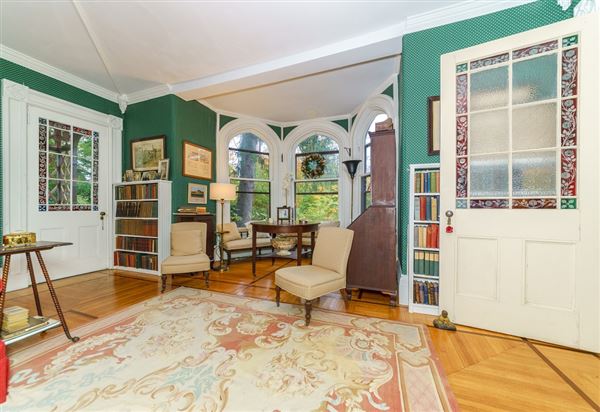
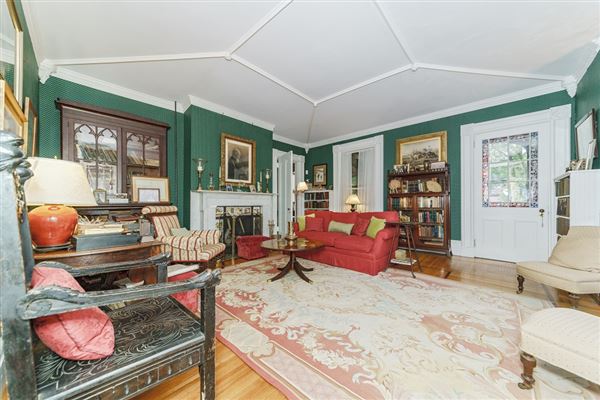
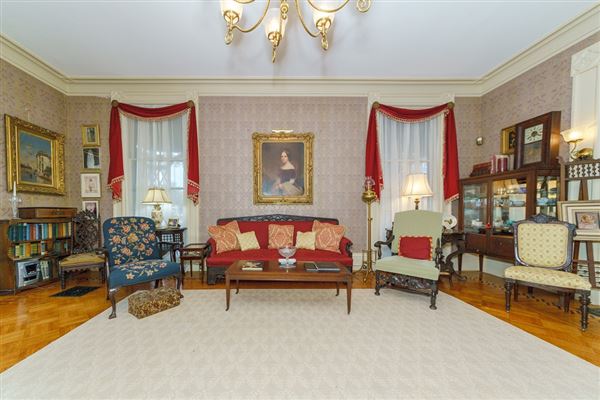
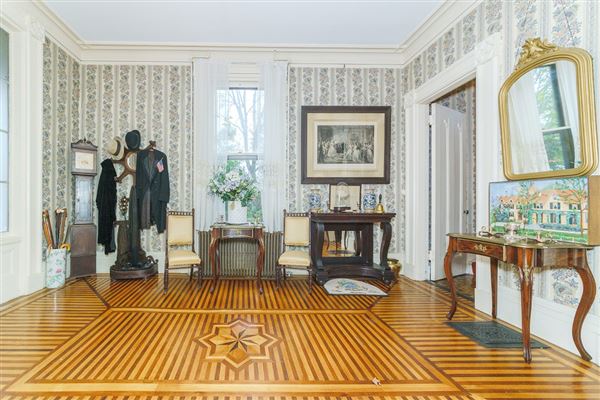
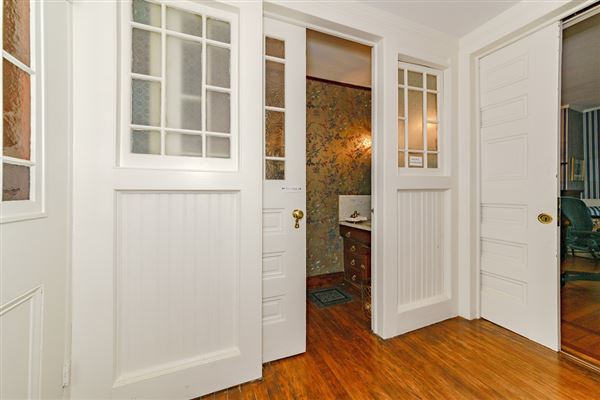
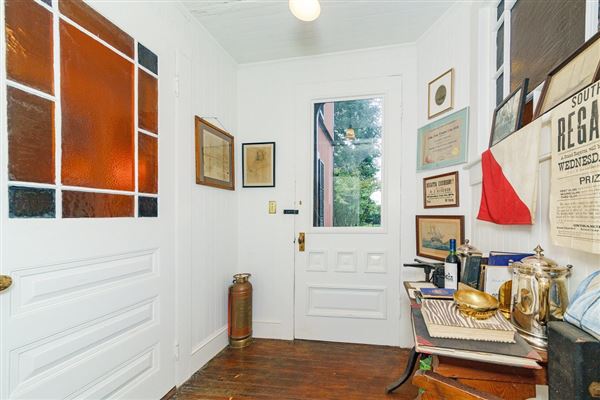
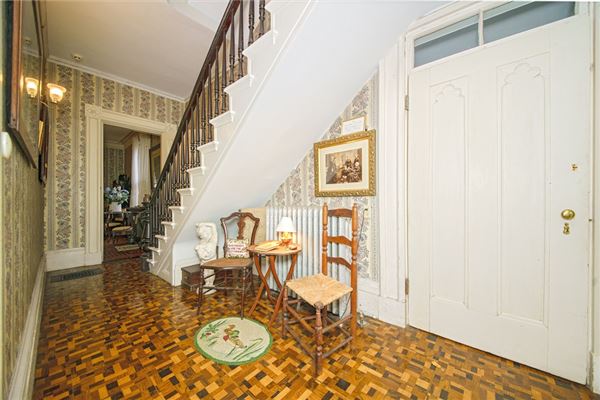
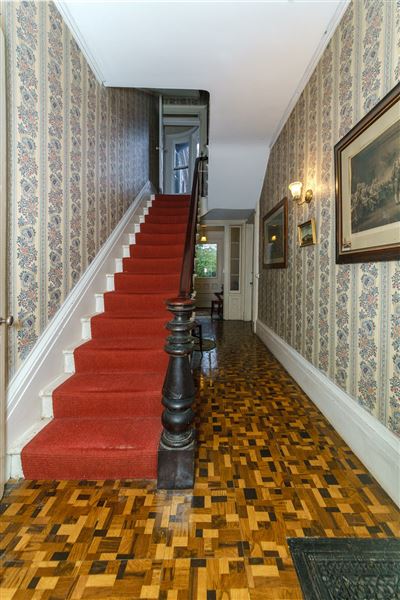
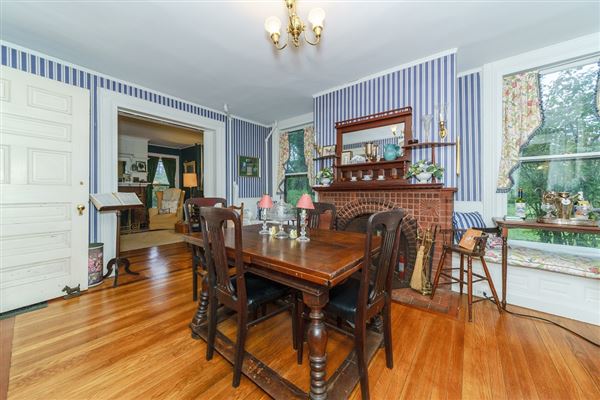
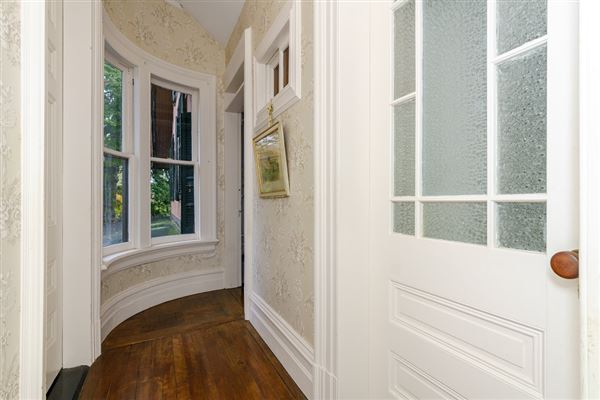
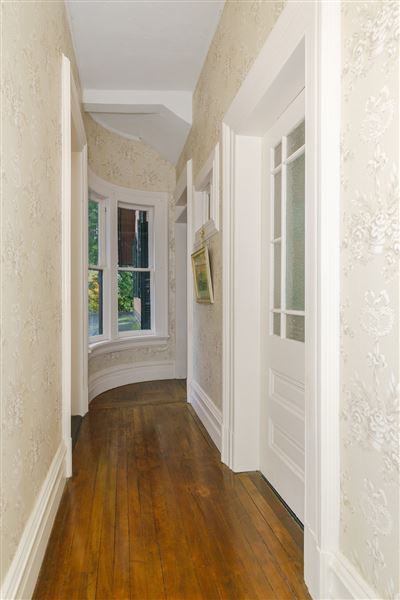
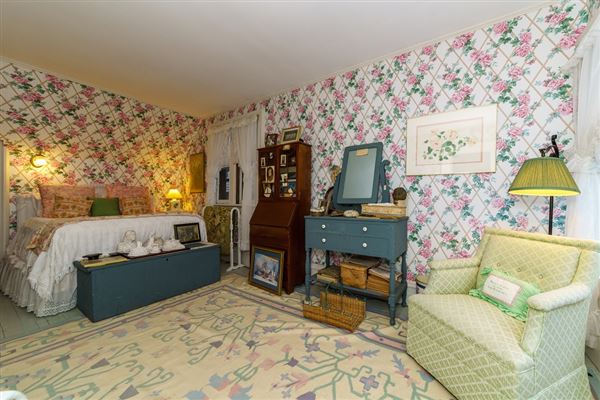
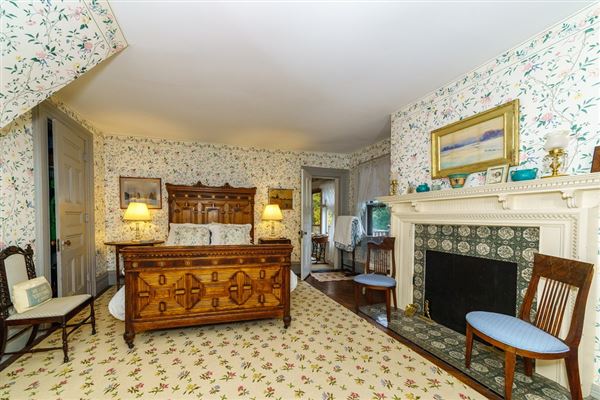
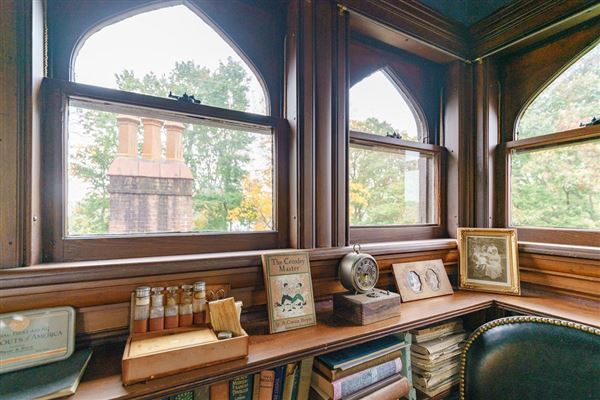
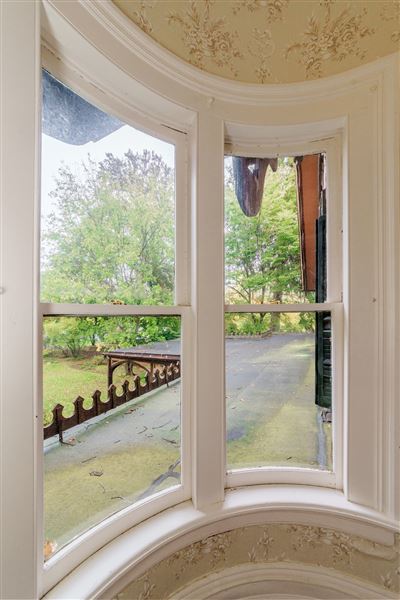
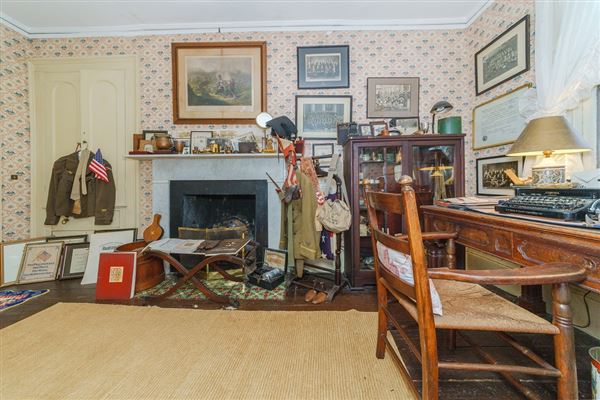
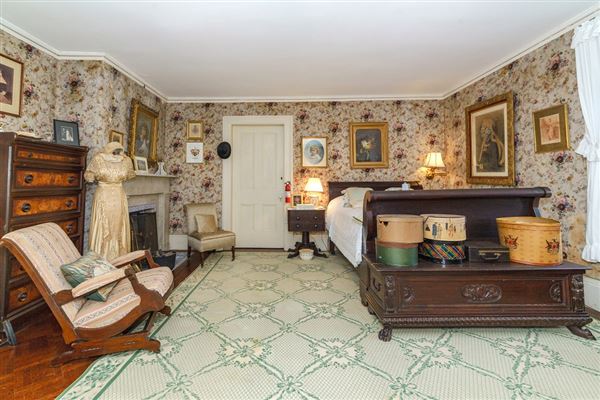
Along with the finials, curved wood shingles and vertical board and batten on the exterior of this gothic house, there can be seen wrought iron railings, curved window panes and gingerbread on the trim. There are acorns, diamond-shaped trellises on the piazzas and chimney pots high above the gables. The interior is replete with parquet floors, stained glass windows and doors, pipes for gas lights (which were never used) and ornamental sculptures with friezes running around the ceilings of a few of the rooms.
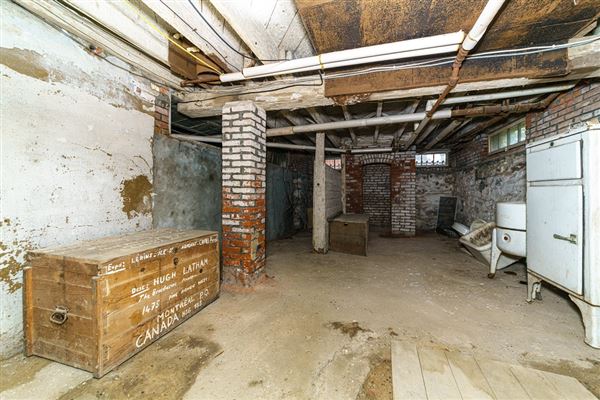
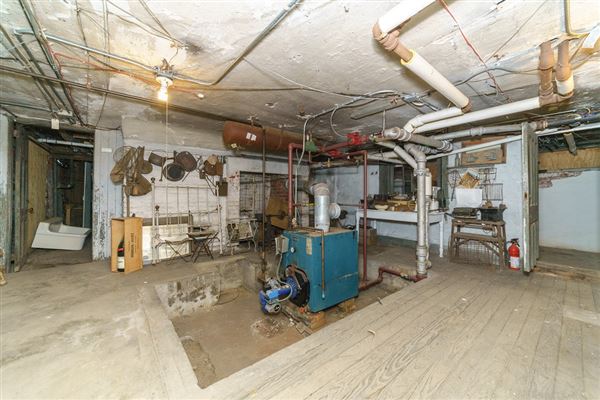
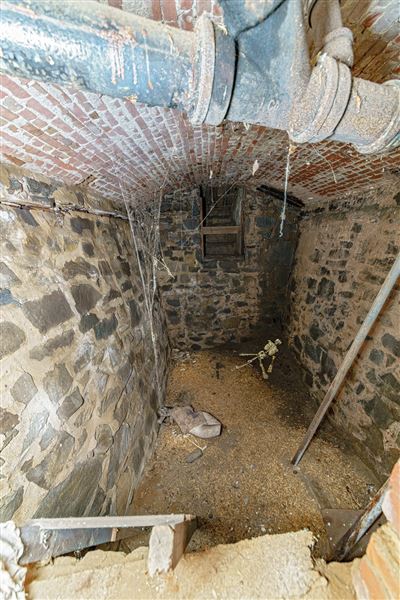
Although not visible, there is a brick lining within the walls of the old [pre-addition] section of the house; and under the floors is sand for insulation and fire retardant. There are signs of an early burglar alarm system with fine wires running along the floors and buttons within the door jambs. The present roof of the Cottage was built over the original roof. Some of the first water pipes, now obsolete, are still visible.
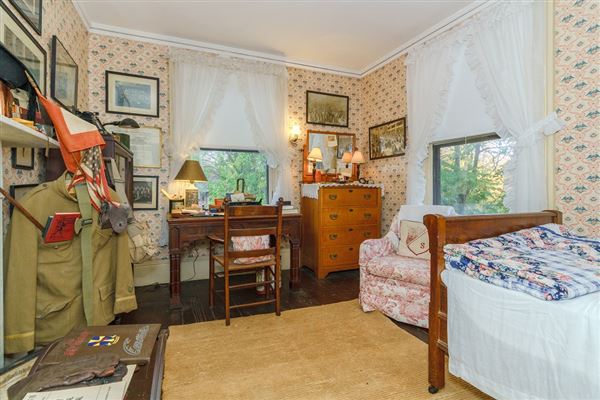
Jonathan Sturges’ son Henry Cady Sturges, born in 1846, was the sixth child born of Jonathan and his wife Mary. The first addition to the Cottage was added at the time of his birth, to accommodate the larger family. Henry maintained the Cottage after Jonathan’s death in 1874 and added two wings, one in 1883 when he married Sarah Adams MacWhorter and another in 1890 when his family expanded. He bought and farmed land bordering on Mill River which was eventually sold in 1926.
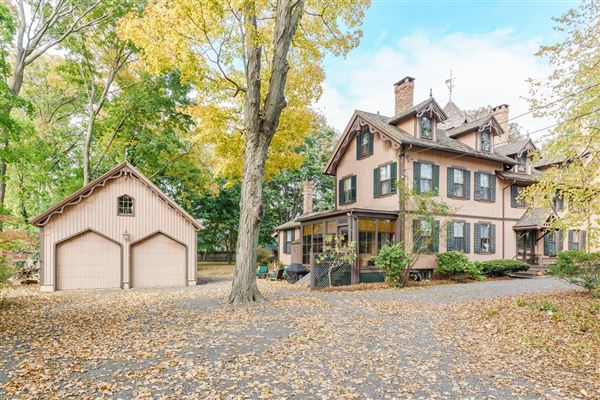
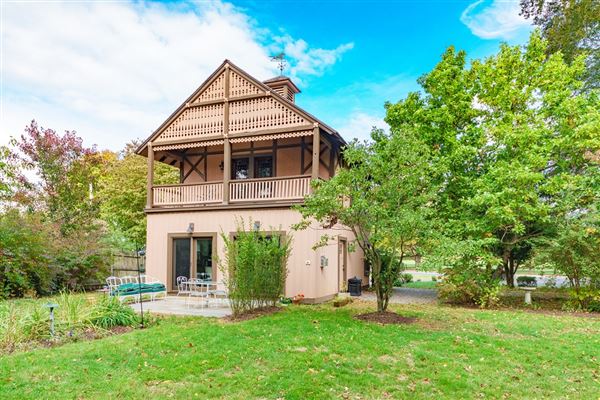
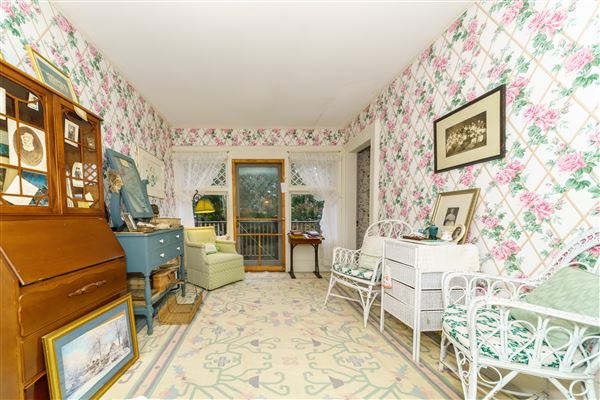
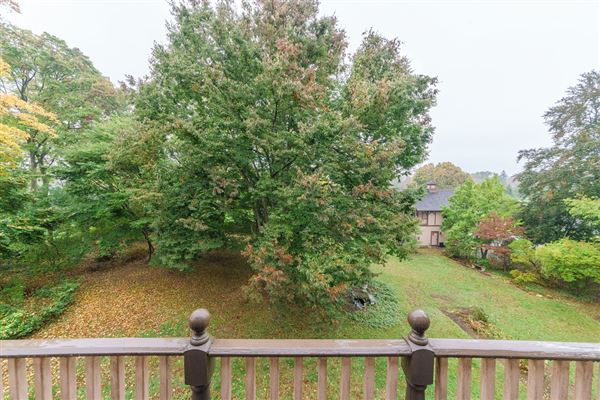
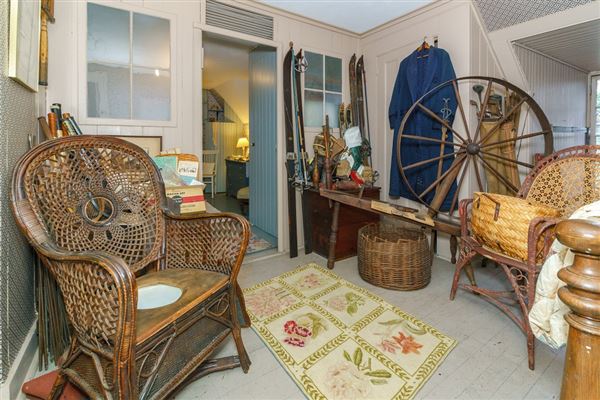
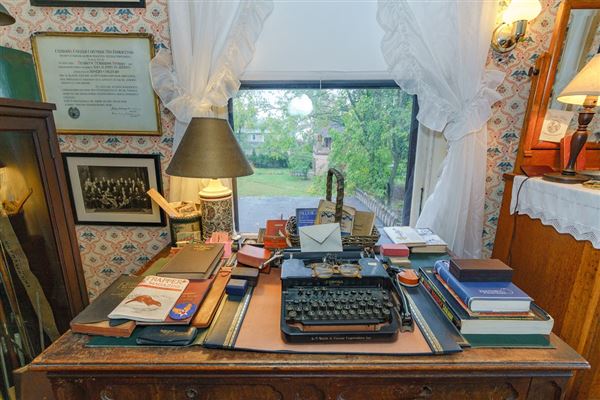
The carriage house behind the Cottage with a studio on the second floor has always been referred to as the “Overlook.” It was used by Henry—an avid collector of “Americana” consisting of “First Paintings” and “First Editions” from various presses throughout the United States—as a reading room whose balcony porch overlooked the formal gardens, greenhouse and tennis court below. The wicker chairs that have long adorned the piazzas of the Cottage came from Henry’s yacht “The Aroostook” which was sold as a condition of his marriage to Sarah who was from a prominent family in the South.
Six generations of Sturges descendants have occupied The Cottage, one of the most recent of which was Jonathan's great granddaughter, the late Mary B. Rousseau, who was most responsible for the diligent, caring and very costly preservation of this large historical treasure as well as the perpetuation of its relevance vis-à-vis the original owner.