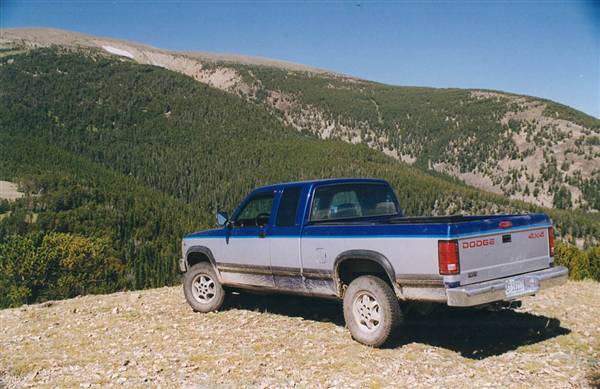
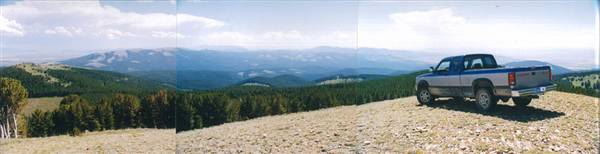
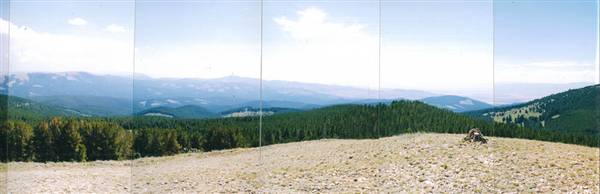
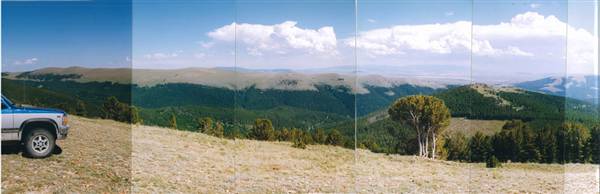
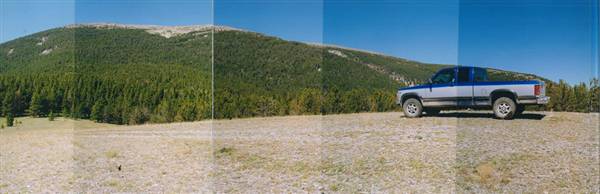
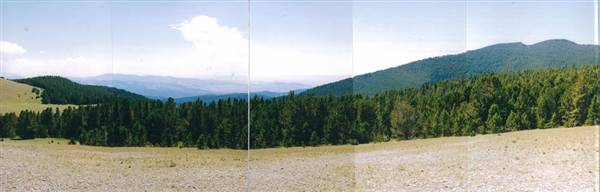
These mountains cover roughly 3200 square miles. Sacagawea Peak with 9665 feet is the tallest mountain in the Big Belt Mountains, other high peaks are Naya Nuki Peak, Hardscrabble Peak, Mount Edith, and Mount Baldy. In this mountain range you will always have a good time. There are many hiking trails in this range where beautiful scenery awaits you. The Big Belt Mountains includes a number of subranges including Big Belt Mountains, Bridger Range, Dry Range, and The Pinnacles each one of them has its own charm. Campgrounds are plentiful in this range where you can spend the night in nature. Smith River is a good whitewater kayaking and rafting river in the Big Belt Mountains, a bit of paddling is always fun.
This wildlife sanctuary is contiguous to the very rugged 28,562-acre Gates of the Mountains Wilderness. Picturesque limestone escarpments that plunge precipitously and steep forested mountainsides are hallmarks of Montana’s smallest wilderness area. Fifty-three miles of maintained trails amble throughout. Candle Mountain, an easy climb from the favorite backpacking destination of Bear Prairie, provides amazing views of the far-reaching landscape.
From its southwest corner, a 16-mile footpath leads through Refrigerator Canyon and across to Meriwether Landing on the Missouri River. A day-trip for some hearty souls, others usually overnight in Bear Prairie. Throughout the warm months, a tour boat stops at the landing and will ferry campers to Upper Holter Lake for a fee. Hikers and horseback riders should be aware that water and horse feed in the Gates of the Mountains Wilderness is scarce.
The road to the Duck Creek Pass area, northeast of Townsend and above the east side of Canyon Ferry Lake, opens up a beautiful and different part of the range. From the pass, one trail heads north to the ridgeline between the summits of Boulder Mountain and Boulder Baldy, two miles apart. A path drops sharply from the ridge to the two Boulder lakes on the north side. This easy to reach place is part of the 30,000-acre Camas Creek Roadless Area.
Walking south from Duck Creek Pass, it’s possible to follow a high divide leading to the summit of Mt. Baldy and then four miles further to Mt. Edith where mountain goats frequent the tundra-like terrain. Other trails descend into Birch Creek Basin, the glacial cirque below the north face of the two peaks. A dozen lakes, reached via horseback and hiking paths, are scattered throughout this roadless enclave. Granite spires, called The Needles, tower above one of the lakes.
For those with a desire for motorized recreation, the Big Belts offer ample routes. Roads in two different directions from York, one via Trout Creek to Vigilante Campground and the other to Beaver Creek and the southern fringe of the Gates of the Mountains Wilderness, as well as Hogback Ridge, show the most spectacular scenery. The towering limestone walls and pinnacles are awesome. Numerous hiking trails emanate from the roads.
Smooth and deep, the Missouri river flows from Upper Holter to Holter Lake on the north perimeter of the range and opens watercraft access to the Belts. A tour boat operates through the Gates of the Mountains from the marina on Upper Holter.
Major fires have also visited the Big Belt Mountains, including one of the most infamous infernos in Montana’s history, the Mann Gulch Fire. Adjacent to the big wall Lewis dubbed “gates of the rocky mountains” and a short way downstream from Meriwether Campground, Mann Gulch ascends steeply from the Missouri River’s east side. It was here on August 5, 1949, that a lightning ignited wildfire over-ran a crew of 16 smokejumpers, trapping them in the narrow gulch. Only three survived. Norman Maclean’s book “Young Men and Fire” details the sad tragedy.