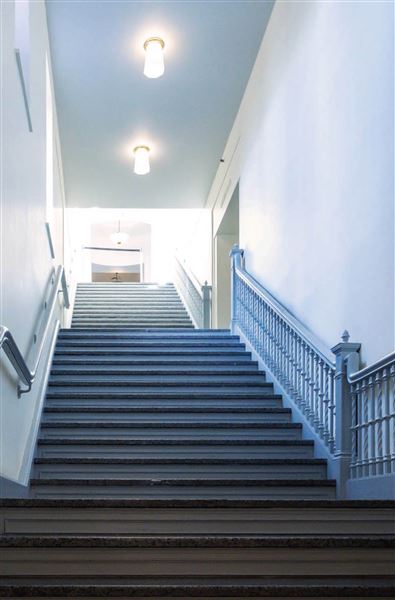
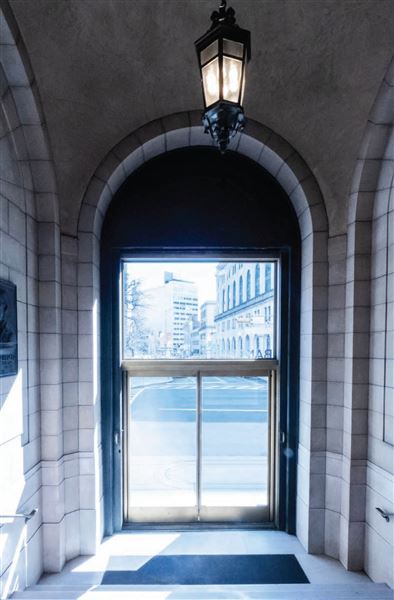
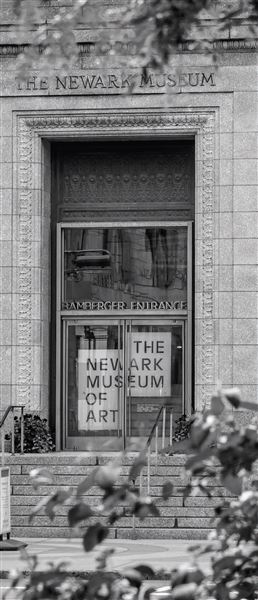
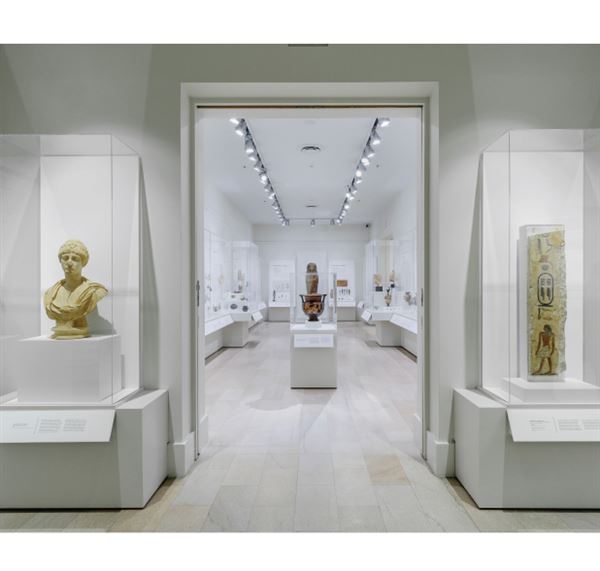
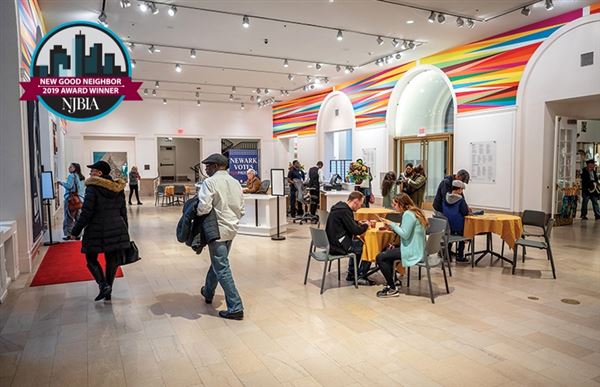
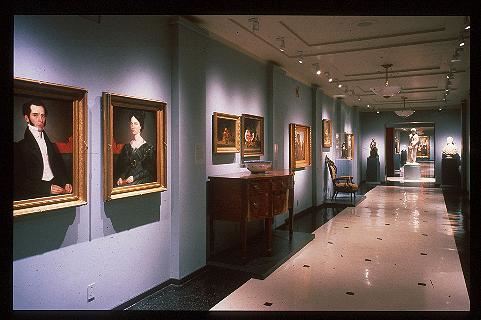
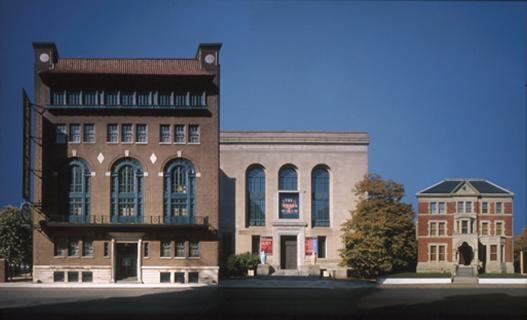
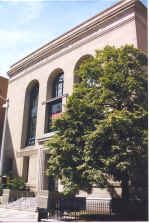
The Newark Museum of Art is the state's largest museum. It holds major collections of American art, decorative arts, contemporary art, and arts of Asia, Africa, the Americas, and the ancient world. The museum was founded in 1909 by librarian and reformer John Cotton Dana. Originally located on the fourth floor of the Newark Public Library, the museum moved into its own purpose-built structure in the 1920s on Washington Park after a gift by Louis Bamberger. It was designed by Jarvis Hunt, who also designed Bamberger's flagship Newark store.
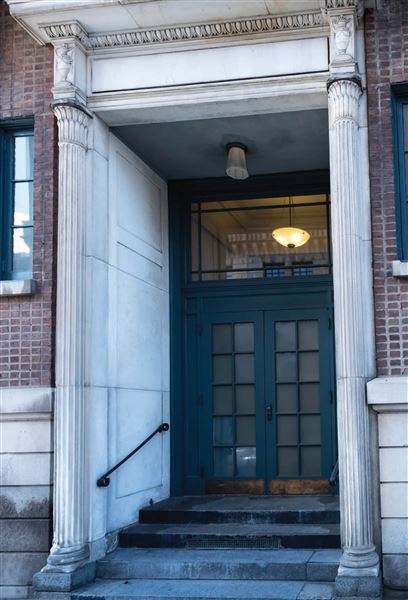
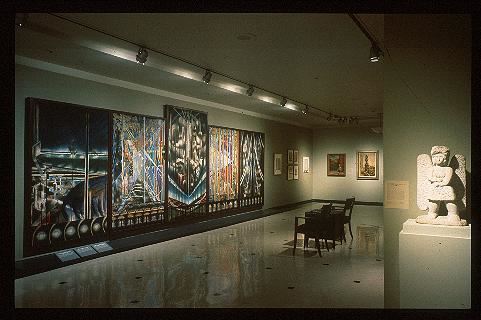
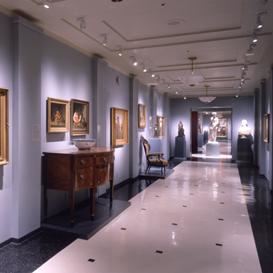
Since then, the museum has expanded several times, to the south into the red brick former YMCA and to the north into the 1885 Ballantine House, by means of a four-year, $23 million renovation. In 1990, the museum expanded to the west into an existing acquired building. At that time much of the museum, including the new addition, was redesigned by Michael Graves.
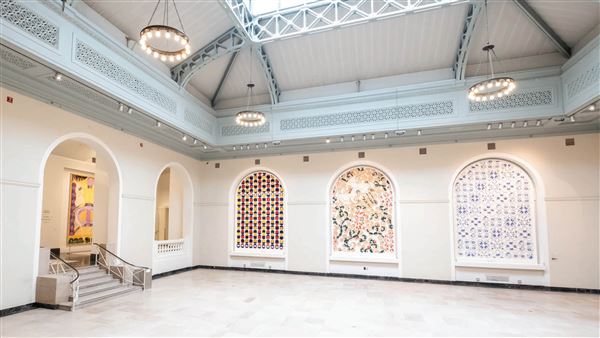
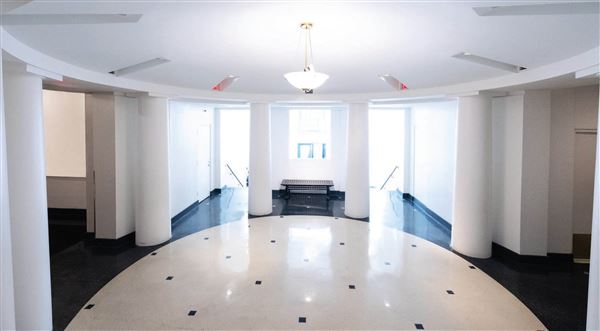
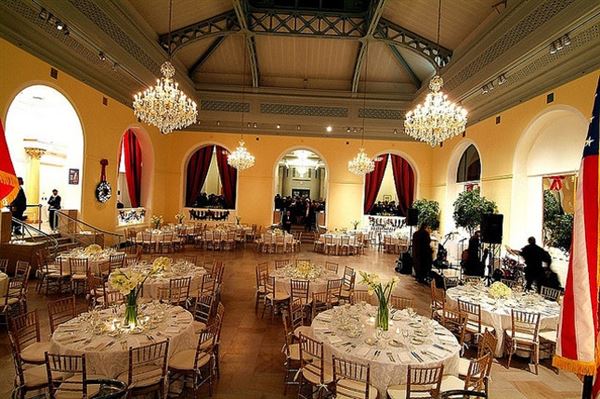
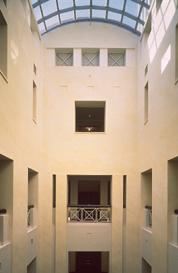
The Charles W. Engelhard Court is a large and eye-catching space that can be transformed into almost story. It has been portrayed as an auction house and might easily be turned into a courtroom or a European cafe. It also sets up perfectly for catering (up to 250 people) and provides room for wardrobe, hair and makeup, and backstage holding.
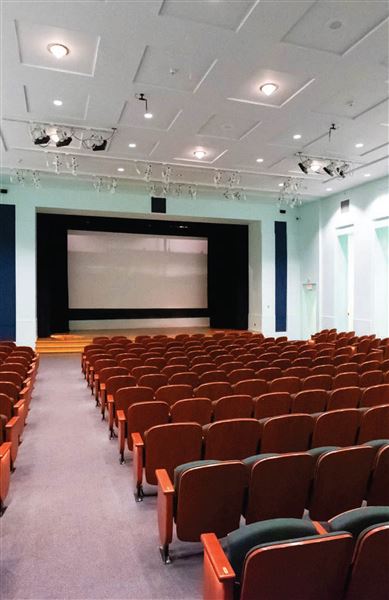
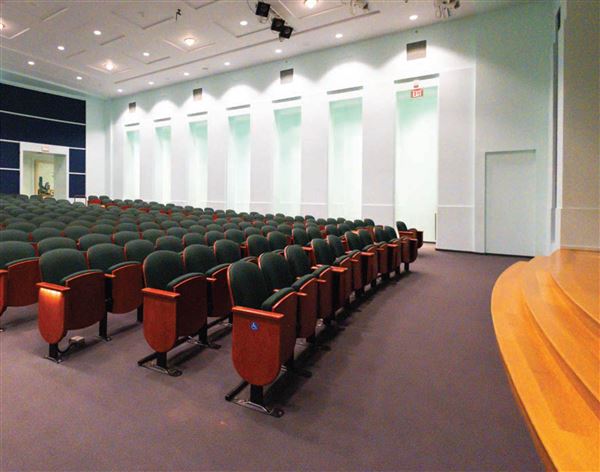
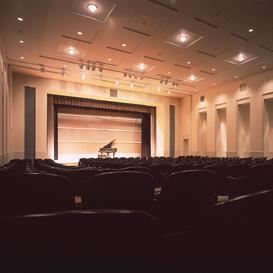
The theater-style Billy Johnson Auditorium seats 300 and features state-of-the-art projection capabilities. It's even made its own cinematic debut as the interior of a movie theater.
All monies raised through location rentals will support the Museum's public programming, education outreach, community service, racial equity work and care of their collections.