The New Jersey State Museum was the first state museum in the country established with education as a primary focus of its mission. The New Jersey Legislature formally established the museum by law in 1895, and the museum was housed in the New Jersey State House; the museum received initial accreditation from the American Alliance of Museums in 1974 and has maintained accredited status continuously since that time.
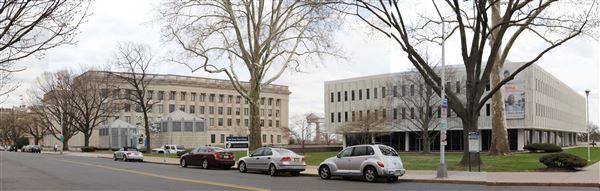
In its beginning, like many museums of its era, the museum focused on natural history. The first major collections were of rocks, minerals and fossils from the New Jersey Geological Survey, which began in 1836. In 1912, the museum expanded its focus to include archaeology through an acquisition of artifacts produced by Native Americans in the region. These artifacts dated from the prehistoric and historic periods as well as from New Jersey's diverse populations during the Colonial and post-colonial eras. In 1922, the museum was one of the first on the east coast to exhibit, as art, a collection of North American Indian objects. With the acquisition of these objects, the museum started its ethnographic collections. In 1924, decorative arts were added to the museum with examples from the Trenton-area ceramics industry. In 1929, the museum moved into larger space in the newly constructed State House Annex. And while fine art had been exhibited and acquired through the mid-20th century, the museum began a strong collecting emphasis on paintings, sculpture and works on paper in the early 1960s.
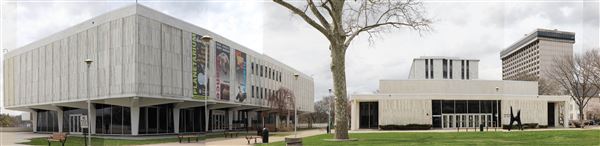
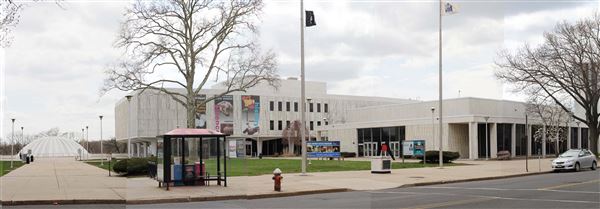
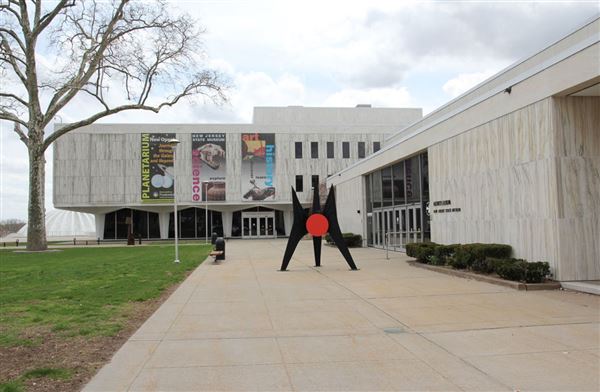
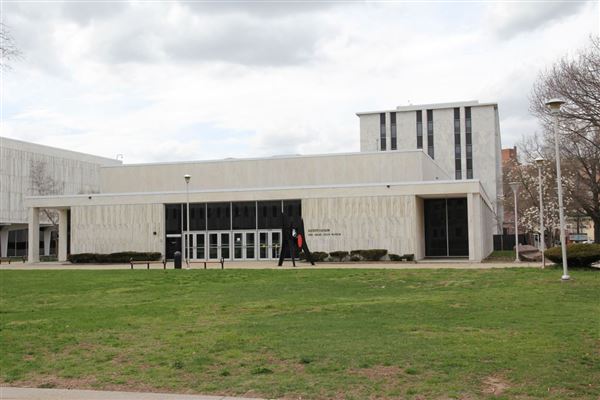
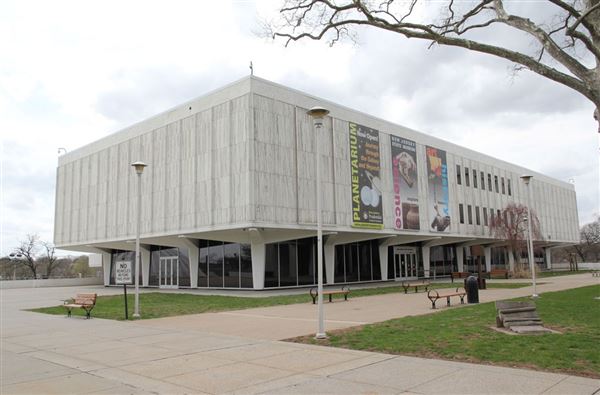
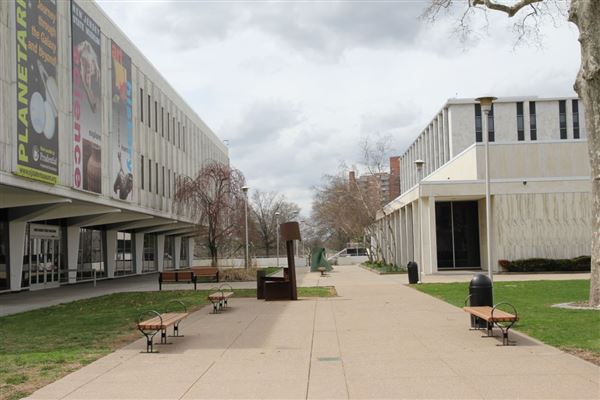
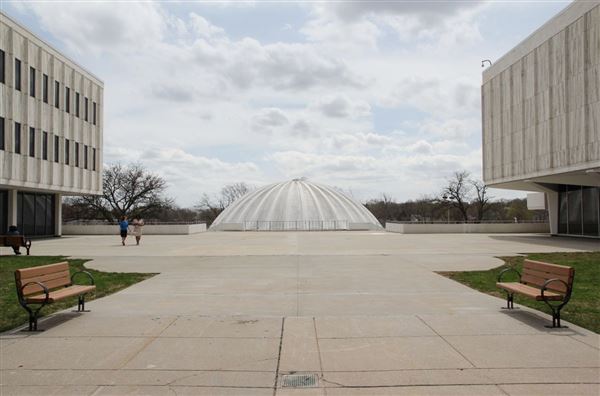
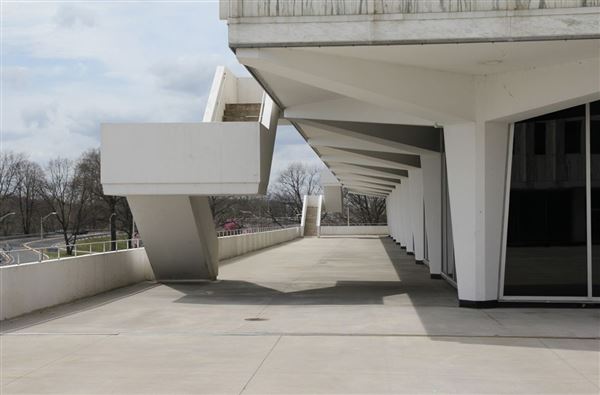
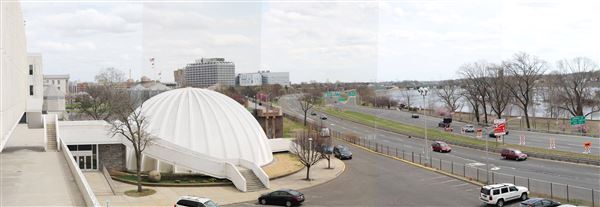
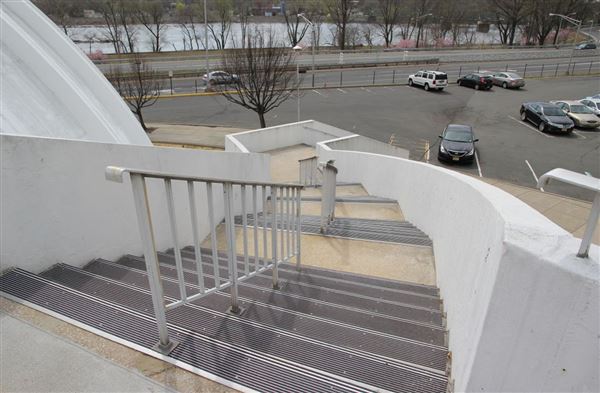
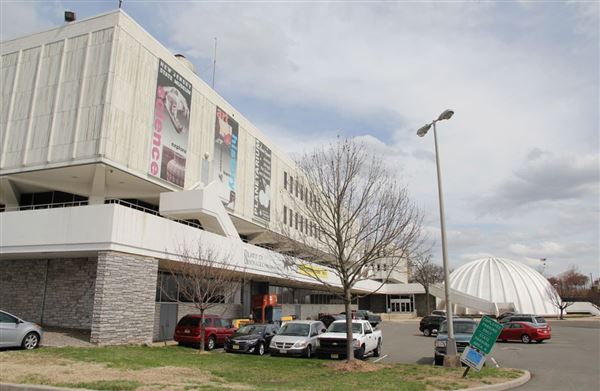
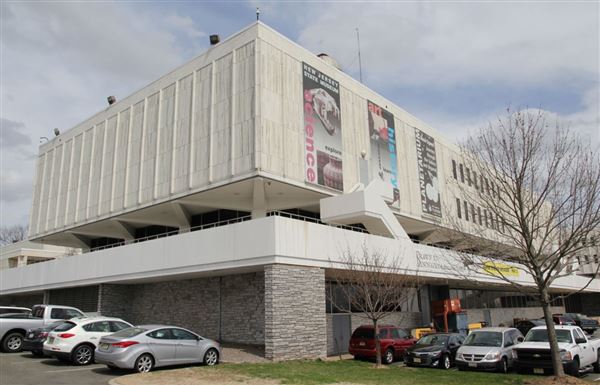
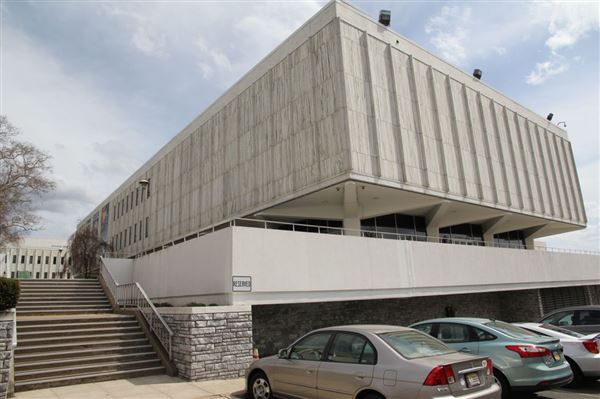
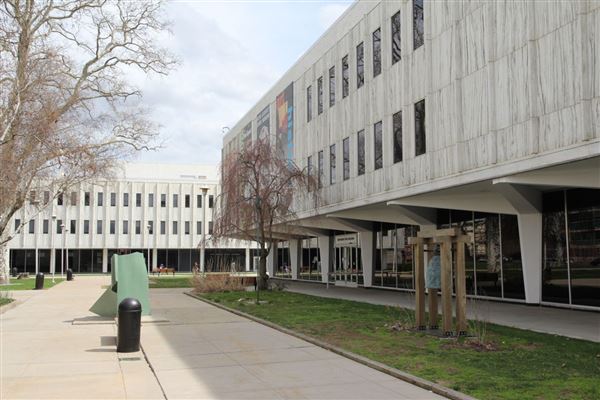
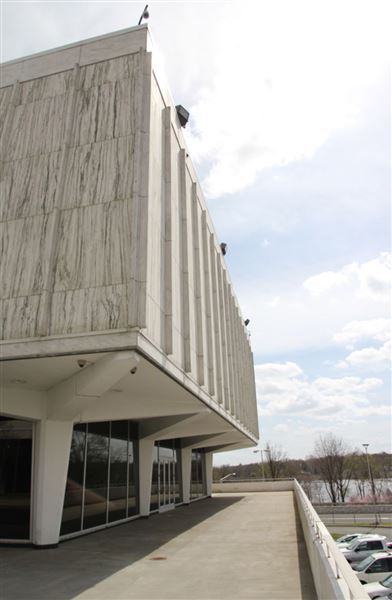
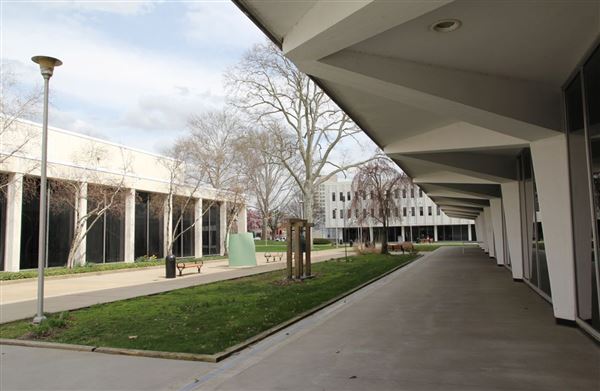
In 1964, the museum moved from the State House Annex into facilities created specifically for it within the newly created Capitol Cultural Complex. The museum's Main Building, now a classic example of mid-century modern architecture, consists of four floors of exhibition, program, research and collection space, a 140-seat Planetarium and public spaces including a Gift Shop. A second building holds a 384-seat Auditorium, as well as gallery spaces.